What Is Web 3.0?
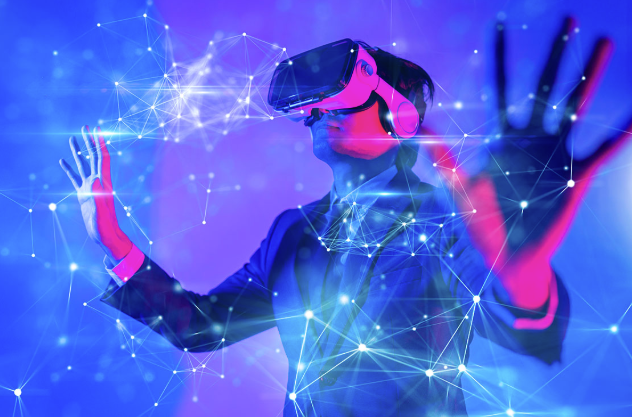
Web 3.0 represents a significant shift in the digital landscape, evolving from its predecessors. This new iteration emphasizes user empowerment and data ownership, contrasting with the centralized nature of earlier web versions. Key technologies such as blockchain and artificial intelligence are foundational to this transformation. As the framework for online interactions evolves, the implications for both users and businesses become increasingly profound. What changes can be anticipated in the way we engage with technology?
The Evolution From Web 1.0 to Web 3.0
As the digital landscape has evolved, the transition from Web 1.0 to Web 3.0 represents a significant shift in how users interact with online content and each other.
Initially characterized by static content, the web has transformed into a realm of user-generated content and interactive experiences.
Web 3.0 introduces decentralized applications and the semantic web, fostering digital ownership and empowering users like never before.
Core Principles of Web 3.0
Web 3.0 is underpinned by several core principles that fundamentally redefine the relationship between users and digital content.
Central to this paradigm shift are decentralized autonomy and user empowerment, enabling individuals to control their data and online identities.
This framework fosters an ecosystem where users are not mere consumers but active participants, enhancing privacy, security, and a sense of ownership in the digital landscape.
Key Technologies Driving Web 3.0
While the evolution of the internet continues, several key technologies are driving the transition to Web 3.0, each contributing to a more decentralized and user-centric digital ecosystem.
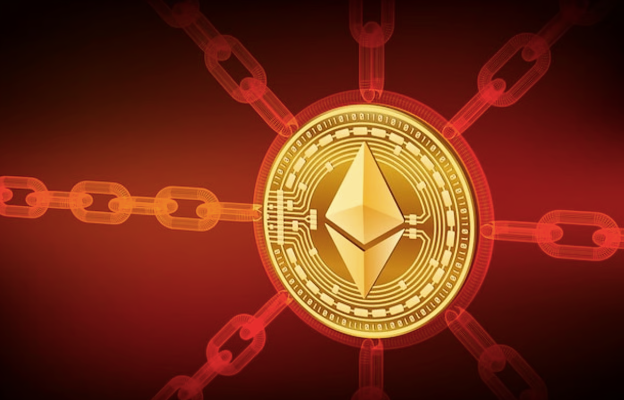
Decentralized networks, blockchain technology, and smart contracts enhance transparency and trust.
The integration of artificial intelligence and the semantic web facilitates personalized experiences, while cryptographic security empowers digital identity through peer-to-peer interactions, ensuring privacy and autonomy.
See also: technarex
The Impact of Web 3.0 on Users and Businesses
The emergence of Web 3.0 is poised to significantly alter the dynamics between users and businesses by fostering a more decentralized and user-controlled environment.
This shift enables user empowerment through data ownership and privacy, while simultaneously driving business transformation towards more transparent and equitable practices.
As power redistributes, both entities will redefine their interactions, ultimately enhancing innovation and fostering a more collaborative digital ecosystem.
Conclusion
In conclusion, Web 3.0 heralds an unprecedented digital renaissance, promising to catapult humanity into an era of unparalleled connectivity and empowerment. With its revolutionary principles of decentralization and data ownership, users will wield god-like control over their digital identities. As blockchain and AI converge, the virtual landscape will transform into a utopia of transparency and collaboration, where businesses and individuals thrive in a harmonious ecosystem. The dawn of Web 3.0 is not just an evolution; it is a digital revolution of epic proportions.