Foldable Furniture Design Ideas
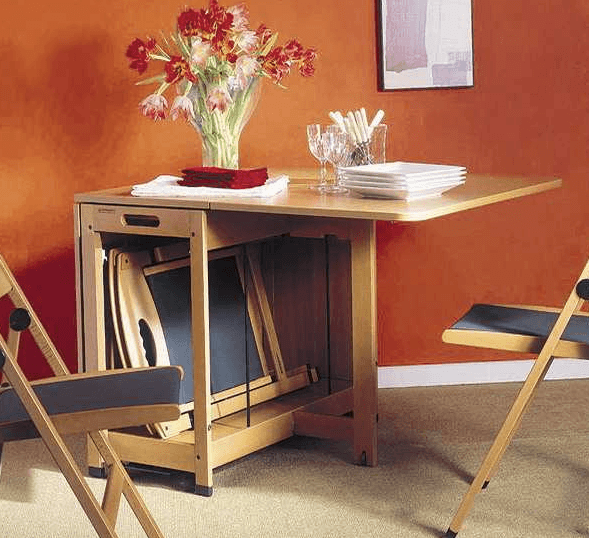
Foldable furniture design ideas focus on space-centric efficiency and material honesty. Each piece reveals a controlled footprint, with lightweight yet durable supports and hidden joints that resist wear. Hinges, rails, and smart closures drive transitions with quiet clarity. Desks, chairs, tables, beds, and storage transform to reclaim rooms without sacrificing tactile quality. The balance of budget, longevity, and modular reuse shapes layouts that preserve open flow, inviting the next purposeful configuration to emerge and challenge conventional expectations.
What Foldable Furniture Really Delivers in Small Spaces
Foldable furniture delivers functional flexibility in compact environments by transforming fixed footprints into adaptable configurations. In small rooms, materials are chosen for durability and lightness, reducing visual weight while preserving tactile quality. The design emphasizes space-centric efficiency, enabling compact living without clutter. It supports multi functional storage and adaptable work surfaces, aligning with freedom from rigid layouts and limited mobility.
Must-Have Mechanisms: Hinges, Rails, and Smart Closures
Smart hinges, rails, and closures form the backbone of foldable furniture, enabling seamless transitions between compact stasis and expanded use. This section examines mechanisms with precise material-awareness and space-centric clarity, prioritizing dependable performance.
Hinges durability under frequent cycling informs design constraints, while rails integration minimizes friction, weight, and misalignment. The result is durable, graceful folding that respects both form and spatial intent.
5 Everyday Roles: Desks, Chairs, Tables, Beds, and Storage
Where can everyday utility be reimagined through compact furniture that remains comfortable and functional in limited spaces? Desks, chairs, tables, beds, and storage become disciplined components, revealing linear forms and hidden supports. Materials emphasize durability and lightness, prioritizing status-agnostic aesthetics. Designs favor compact storage and multi use layouts, enabling open flow while preserving utility, adaptability, and personal freedom in compact environments.
How to Choose Your Foldable Pieces: Budget, Materials, and Longevity
Choosing foldable pieces hinges on three axes: budget, materials, and longevity. The selection emphasizes budget considerations without sacrificing function, aligning price with practical durability and modular reuse. Material longevity guides core choices—tests of hinge resilience, fabric wear, and frame rigidity—favoring courses that endure daily folding. The result is space-centric, freedom-friendly design that favors thoughtful, precise allocations.
Frequently Asked Questions
How Durable Are Foldable Pieces Under Heavy Daily Use?
Durability under stress varies with engineering and materials; heavy daily use tests reveal wear patterns, hinge fatigue, and load distribution. Long term performance depends on alloy strength, joint geometry, and maintenance, yielding reliable function if specifications remain within design tolerances.
Can Foldable Furniture Be Repaired Easily by Homeowners?
Foldable furniture can be repaired by homeowners through DIY repair basics, though complexity varies; some pieces support tool free fixes, while others require basic tools. The approach emphasizes material-consciousness, precise steps, and space-centric organization for freedom-minded users.
Do Foldable Designs Affect Indoor Air Quality or Off-Gassing?
Yes, do foldable materials can influence air quality, with off gassing awareness guiding choices; durability under daily use and repairability by homeowners matter, while aesthetic compatibility with formal spaces and maintenance longevity strategies shape overall indoor air considerations.
See also: How Layer 2 Networks Improve Speed
Are Foldable Options Aesthetically Suitable for Formal Spaces?
An allusion to quiet silhouettes hints that foldables can suit formal spaces. They align with design aesthetics, balancing lightness and restraint; material-conscious choices preserve refinement, while space-centric arrangements respect ceremony, offering freedom within disciplined, tasteful environments.
What Maintenance Schedule Extends Foldable Furniture Longevity?
Maintenance frequency should align with use, advising quarterly checks and annual professional assessments; focus on hinges, joints, and finishes. Material durability considerations prioritize corrosion-resistant metals and sealed woods, ensuring stability while preserving mobility and space-centric aesthetics.
Conclusion
In compact interiors, foldable furniture delivers a disciplined clarity: lines that vanish when not in use, surfaces that reappear with purpose. The textural honesty of chosen materials—lightweight yet durable—speaks to a philosophy of reuse and longevity. Hinges, rails, and smart closures sustain trusted performance through countless cycles, preserving flow and openness. Do space and form become more available to the inhabitant when furniture willingly relinquishes its footprint, revealing freedom beneath the surface? The answer unfolds with each seamless transformation.