Traditional vs Infrared: Which Sauna Suits You on a Budget
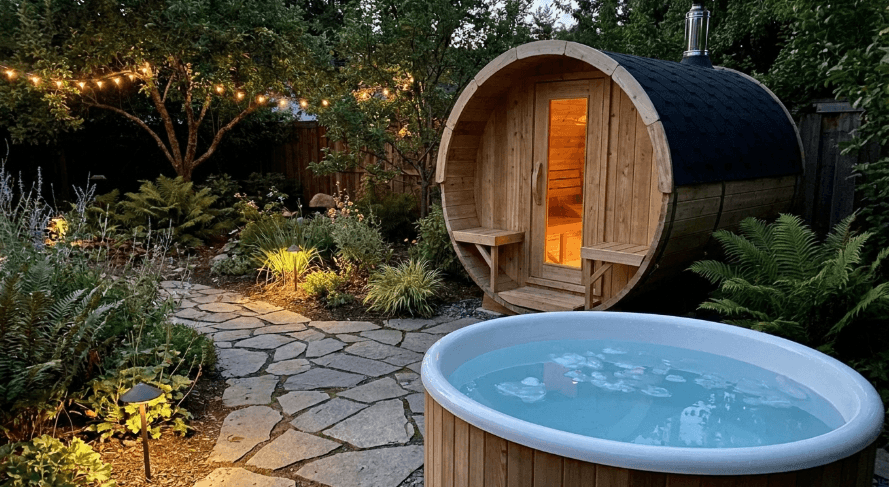
A traditional sauna heats the room’s air to 170 to 190 degrees using a wood, electric, or gas heater and stones, while an infrared sauna uses panels to warm the body directly at a lower ambient temperature, usually 120 to 140 degrees. On a tight budget, infrared cabins are generally the cheaper and simpler option to install, since they often skip the dedicated 240V circuit a traditional heater requires. Traditional saunas cost more upfront but deliver the more intense heat and steam option that many long-time sauna users prefer.
What’s the Difference Between a Traditional and an Infrared Sauna?
A traditional sauna, whether a cabin-style room or a curved-stave barrel, works by heating the air with an electric or wood-fired heater topped with stones. Splashing water on the hot stones creates steam (called loyly in Finnish sauna tradition), adding humidity to the intense dry heat. An infrared sauna skips the air-heating step entirely and uses carbon or ceramic panels mounted in the walls to emit infrared energy that warms the body’s tissue directly, which is why the room itself can stay at a noticeably lower temperature while still producing a strong sweat response.
How Hot Does Each Type Get, and Does That Matter?
Traditional saunas typically run 170 to 190 degrees Fahrenheit, sometimes hotter in a dedicated Finnish-style room. Infrared cabins run much cooler, often 120 to 140 degrees, since the heating mechanism does not rely on superheating the surrounding air. This matters most for comfort and session length. Some people find the intense, enveloping heat of a traditional sauna more satisfying, while others find the lower, more tolerable temperature of infrared easier to sit in for a full 20 to 30 minute session, especially if they are new to sauna use altogether.
Which One Costs Less to Install and Run?
Infrared wins on both counts for most buyers. Because infrared cabins typically plug into a standard 120V household outlet, they skip the cost of running a dedicated 240V circuit, which can add $300 to $1,200 to a traditional sauna installation depending on distance from the panel. Running costs follow the same pattern: infrared panels draw less power per session than heating an entire room of air to 170-plus degrees, so the electricity cost per use tends to be lower for infrared, particularly with frequent use over a full year.
Who Is Traditional Sauna Better Suited For?
Traditional sauna suits people who want the classic experience, including the option to add steam, and who have the budget and electrical setup for a dedicated circuit. It is also the better fit for anyone building a backyard barrel or cabin sauna meant to hold several people at once, since traditional units scale more naturally to larger group sizes than most infrared cabins, which are typically designed for one to three people.
Who Should Choose Infrared Instead?
Infrared makes the most sense for apartment dwellers, renters, or anyone without easy access to a 240V circuit, since most units need nothing more than a standard outlet. It is also a reasonable starting point for someone who has never used a sauna regularly and wants to build the habit at a lower, more approachable temperature before deciding whether to invest in a hotter traditional setup later. Before deciding, it helps to compare actual unit sizes and prices across both categories, and a specialty retailer like SweatDecks typically lists both traditional and infrared models with their electrical requirements listed side by side, which makes the comparison easier than guessing from general specs.
Which One Fits a Small Space or Apartment?
Infrared cabins generally have a smaller footprint and lighter overall weight than a traditional cabin room, since they do not need the same wall thickness or ventilation for a wood-and-stone heater. A compact two-person infrared unit can often fit in a spare room or finished basement corner where a full traditional room would not. Barrel saunas, being a traditional format, are built for outdoor use and need yard space rather than indoor square footage, which rules them out for most apartment situations regardless of budget.
Does One Type Have a Stronger Track Record?
Traditional Finnish-style sauna has the longer documented history and the larger body of research behind it, including decades of use in Finland where regular sauna bathing is a long-standing cultural practice. Infrared technology is newer to home use and has a smaller, more recent research base. Neither fact means one is unsafe or ineffective; it simply means traditional sauna has more historical usage data behind its reputation, while infrared is still building out that same depth of use over time.
Carbon or Ceramic Panels: Does the Infrared Type Matter?
Not all infrared cabins use the same heating element, and the difference affects both comfort and price. Carbon panels spread heat across a wider surface at a lower, more even intensity, which many users describe as a gentler warmth that is comfortable to sit close to for a full session. Ceramic emitters run hotter and more concentrated, often mounted as smaller panels or tube-style emitters that heat a narrower zone more intensely, similar to how a space heater feels compared to a radiant floor. Some manufacturers combine both in the same cabin, using ceramic near the feet and lower legs where people want more direct heat and carbon across the back panel for even coverage. Low-EMF designs, which shield the wiring to reduce electromagnetic field exposure near the panels, have become standard on most mid-range and higher infrared units, though budget models vary more on this spec, so it is worth checking the listed EMF rating rather than assuming every panel meets the same standard.
Frequently Asked Questions
Is a traditional sauna or infrared sauna better for a beginner?
Infrared is usually easier to start with, since the lower ambient temperature is more comfortable for someone who has never sat in heat for an extended period. Traditional saunas run hotter and can feel intense at first, though many people grow to prefer that more intense heat over time.
Which type of sauna is cheaper to buy?
Infrared cabins generally cost less upfront, often $1,800 to $4,500 for a small unit, compared with $4,000 or more for a traditional cabin-style room with a proper heater, benches, and paneling. Barrel saunas, which are usually traditional-style, fall in between.
Can you put an infrared sauna in an apartment?
Often yes, since most infrared cabins plug into a standard 120V outlet and do not require the dedicated electrical circuit a traditional heater needs. Check apartment rules on added appliances and weight before assuming it is allowed, but the electrical requirement itself is rarely a barrier.
Does a traditional sauna feel different from an infrared sauna?
Yes, noticeably. A traditional sauna heats the air around you, often with the option to add steam by pouring water on hot rocks, creating an intense, all-encompassing heat. Infrared panels heat the body more directly at a lower ambient temperature, which many people describe as a gentler, more penetrating warmth rather than an enveloping heat.
Which type of sauna uses less electricity?
Infrared panels typically draw less power per session than a traditional heater working to bring an entire room up to 170 to 190 degrees. Over months of regular use, that difference shows up as a lower electricity cost, though the gap depends on session length and how often each is used.
References
- Clinical Effects of Regular Dry Sauna Bathing: A Systematic Review, Evidence-Based Complementary and Alternative Medicine, 2018
- Effects of heat and cold on health, with special reference to Finnish sauna bathing, American Journal of Physiology, 2018
- Does the Combination of Finnish Sauna Bathing and Other Lifestyle Factors Confer Additional Health Benefits? A Review of the Evidence, Mayo Clinic Proceedings, 2023
- U.S. Department of Energy, home appliance electrical load reference